
Understanding Water Heater Smells Like Rotten Eggs: Sulfur Water Fix in Greenfield Lakes, AZ
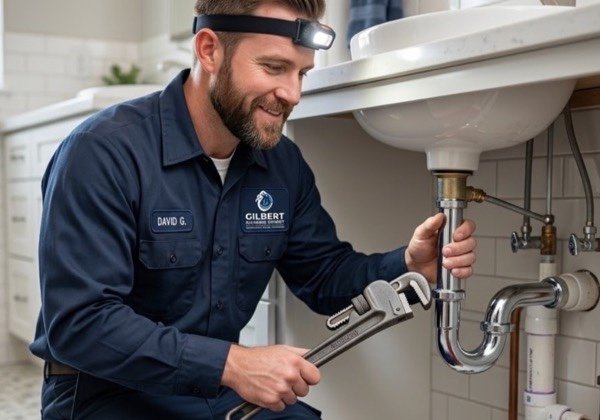
Plumbing symptoms like water heater smells like rotten eggs are clear indicators of mechanical strain inside your plumbing infrastructure. In Greenfield Lakes, municipal water hardness (15-22 GPG) and high static line pressures frequently compound underlying pipe issues. At Gilbert Plumber Expert, master plumber David Jones and our team diagnose the root cause with precision instruments.
Primary Root Causes
Anaerobic sulfate-reducing bacteria reacting with magnesium sacrificial anode rods in well or municipal water, creating hydrogen sulfide (H2S) gas inside the water heater tank.
Our Permanent Master Resolution Protocol
Complete chemical tank disinfection with hydrogen peroxide, removal of standard magnesium anode rod, and installation of a powered electronic titanium anode rod or aluminum-zinc alloy rod.
Local Infrastructure & Environmental Factors in Greenfield Lakes
Town of Gilbert municipal supply with 16-20 GPG hardness.
Surrounds the 18-hole Greenfield Lakes Golf Course, constructed in the late 1990s and early 2000s. Water heater replacements, irrigation pressure issues, slab leak detection, and water softener updates.
Frequently Asked Questions: Water Heater Smells Like Rotten Eggs
What causes water heater smells like rotten eggs in Greenfield Lakes homes?
Anaerobic sulfate-reducing bacteria reacting with magnesium sacrificial anode rods in well or municipal water, creating hydrogen sulfide (H2S) gas inside the water heater tank. In Greenfield Lakes, water hardness of 15-22 GPG and high static pressure accelerate these mechanical issues.
Can this issue cause permanent damage if left unaddressed?
Yes. Hidden plumbing leaks or sewer line back-pressures can erode soil beneath foundations, ruin drywall, and trigger costly microbial growth within 24-48 hours.
How do your master plumbers permanently resolve this in Greenfield Lakes?
Complete chemical tank disinfection with hydrogen peroxide, removal of standard magnesium anode rod, and installation of a powered electronic titanium anode rod or aluminum-zinc alloy rod.